Strength training in the UK builds muscle, improves health, and boosts performance. Beginners should start with **basic lifts** (squats, deadlifts, presses), progress gradually, and prioritise **form over weight**. Use local gyms like Halter Strength Club in Manchester for guidance.
Table of Contents
Key takeaways
- Strength training improves health and strength.
- Start with compound lifts (squats, deadlifts, presses).
- Progress gradually to avoid injury.
- Use UK gyms with coaching for guidance.
- Prioritise rest and nutrition for recovery.
What equipment do I need for strength training?
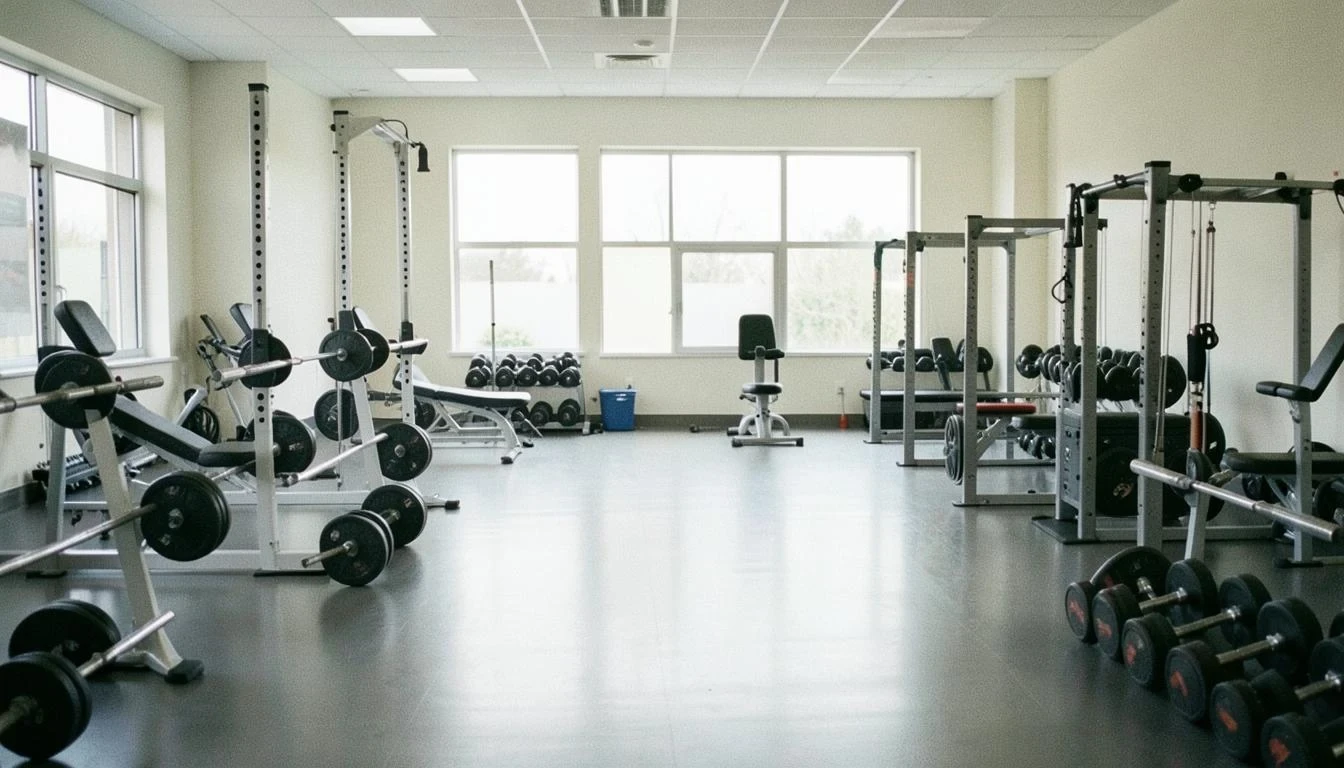
Beginners need barbells, dumbbells, and racks. UK gyms like Halter Strength Club in Manchester provide these. Resistance bands and bodyweight exercises (push-ups, pull-ups) work too. Avoid machines at first—free weights teach technique.
- Barbells: Essential for lifts like squats and deadlifts.
- Dumbbells: Useful for accessory work (curls, shoulder presses).
- Racks: Safely lift heavy weights.
No home gym? Partner with a local facility. Never skip warm-ups or technique checks—poor form leads to injury.
How often should beginners train for strength?
Train 3–4 times per week, focusing on full-body or split routines. Rest 48 hours between sessions. Overdoing it causes burnout or injuries. Example split: Upper/Lower days or Push/Pull/Legs.
- Full-body: 3x/week, all muscle groups per session.
- Split: 4x/week, target groups separately.
Listen to your body. Soreness is normal, but sharp pain means stop. Adjust volume (sets/reps) as you adapt. Beginners need coaching early to avoid bad habits.
Never sacrifice form for weight. Ego lifting (using too much) leads to long-term injuries. Start light, master technique, then add load.
What’s the best strength training program for beginners?
Start with linear progression: add 2.5–5kg weekly to lifts. Example: 3x5 reps for squats, deadlifts, bench press. Track workouts to measure progress.
- Day 1 (Lower): Squats, Romanian deadlifts, calf raises.
- Day 2 (Upper): Bench press, rows, shoulder presses.
- Day 3 (Full): Pull-ups, lunges, core work.
Plateaus happen. Change exercises or deload weeks (reduce weight) to recover. No program fits everyone—adjust based on recovery and goals.
How do I find a good gym for strength training in the UK?
Look for UK gyms with squat racks, barbells, and coaching. Halter Strength Club in Manchester is one option. Avoid crowded commercial gyms—dedicated facilities have better equipment. Check:
- Equipment quality: Rusty bars or broken machines are red flags.
- Coaching: In-person or online guidance helps beginners.
- Ambiance: Strength-focused gyms feel different from general fitness centers.
No access to a gym? Bodyweight exercises and resistance bands work. Consistency matters more than location.
Frequently asked questions
What should I eat for strength training?
Prioritise protein (1.6–2.2g per kg of body weight) and carbohydrates for energy. Hydrate well and avoid processed foods.
How long does it take to see results?
Visible changes take 8–12 weeks with consistent training and nutrition. Strength improves faster (4–6 weeks).
Should I train to failure as a beginner?
No. Stop 1–2 reps short of failure to practice proper form. Failure builds muscle but risks injury early on.
Can I strength train at home without weights?
Yes. Use bodyweight exercises (pistols, push-ups, dips) and resistance bands. Add weights as soon as possible for progress.
What’s the difference between strength and hypertrophy training?
Strength focuses on low reps (3–5) and heavy weights. Hypertrophy uses 8–12 reps for muscle growth. Beginners often combine both.