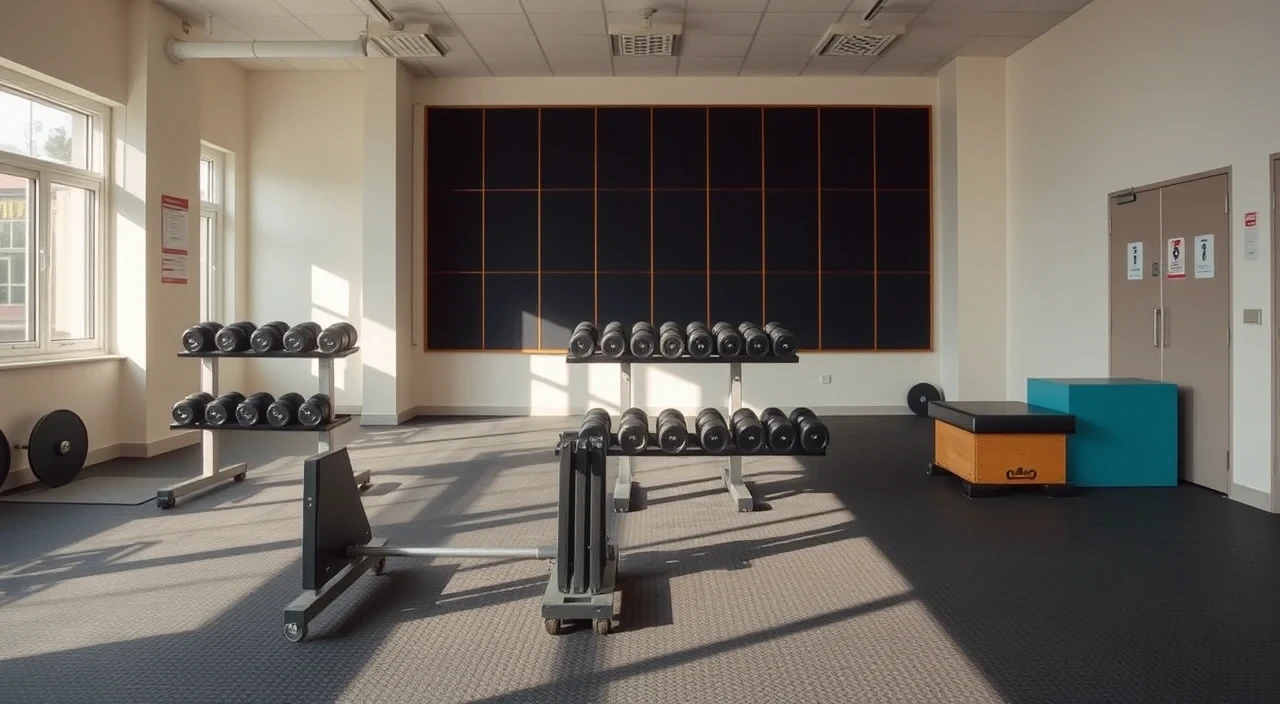
Strength training for athletes delivers measurable performance gains, reduces injury risk, and can be integrated into any sport schedule; a coached programme of 2–3 sessions per week, focused on technique and progressive load, provides the foundation for faster, stronger, more resilient competitors.
Table of Contents
How often should athletes do strength training?
Current guidelines recommend athletes perform strength training two to three times per week, spacing sessions at least 48 hours apart for the same muscle groups; this frequency balances stimulus and recovery while fitting around typical practice or competition calendars.
A three-day split works well for many sports:
- Day 1: Lower-body power (squat variants, deadlifts)
- Day 2: Upper-body push/pull (bench press, rows)
- Day 3: Full-body functional work (lunges, kettlebell swings)
During heavy competition phases, reduce to one or two sessions to preserve energy for sport-specific training. Track load progression weekly and insert a recovery week after four to six weeks of consistent training, as suggested by the 2026 injury-prevention guide. At Halter Strength Club we tailor the weekly volume to each athlete’s calendar, ensuring the 48-hour gap is respected even with early-morning or late-evening classes.
The key is consistency: missing a session repeatedly undermines the neuromuscular adaptations that translate into speed, power, and durability on the field or track.
Can strength training prevent injuries for athletes?
Yes – regular strength work enhances joint stability, reinforces tendons and ligaments, and improves movement mechanics, all of which lower the likelihood of common sport injuries when combined with proper warm-up and recovery protocols.
Research shows that a programme focused on controlled loading and technique reduces acute strains and chronic overload injuries. Start each session with 5–10 minutes of light aerobic activity (e.g., rowing or cycling) followed by dynamic stretches targeting the muscles you’ll load. After lifting, a brief cool-down mirrors the warm-up length and helps flush metabolites.
At Halter Strength Club we teach athletes to cue proper hip hinge, scapular retraction, and knee alignment before adding load. Our mobility and recovery classes reinforce these patterns, using foam-rolling and targeted stretching to keep range of motion optimal. Coaches monitor technique in real time, preventing the common mistake of increasing weight before form is solid, which is a major injury trigger.
Integrating strength sessions with sport-specific drills creates a protective synergy: stronger muscles absorb impact forces, allowing athletes to maintain technique even when fatigued.
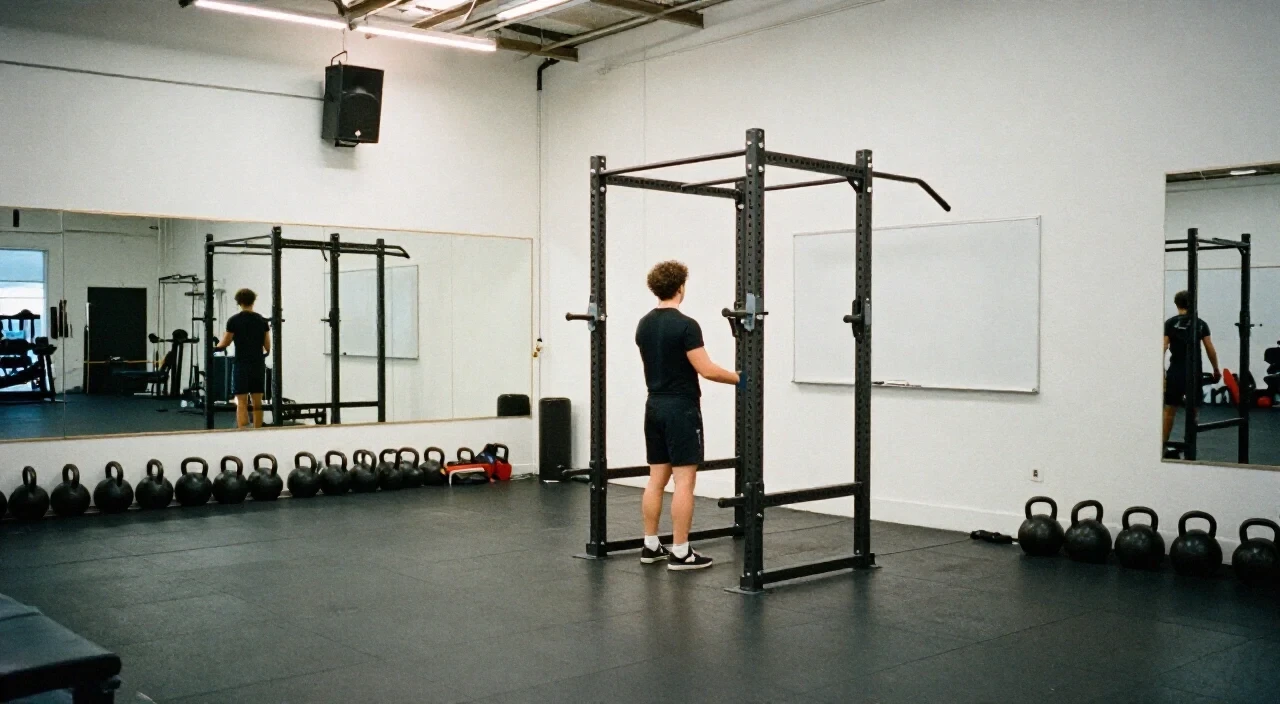
Will lifting weights make me slower or affect my sport performance?
No – when programmed correctly, weightlifting complements speed and endurance work rather than hindering it; the strength gains translate into faster force production and better economy in most athletic movements.
A common myth stems from seeing bodybuilders who train solely for hypertrophy. Athletes, however, focus on neural adaptations, power output, and functional strength. The programme emphasises moderate loads (30-70 % of 1RM) moved explosively, which improves rate of force development without adding excess bulk.
Periodisation is essential: during pre-season, increase intensity and volume gradually (no more than 10 % per week). As competition approaches, shift to maintenance – 1–2 sessions weekly with lower volume, preserving strength while freeing energy for sport-specific training. At Halter Strength Club, personal trainers design sport-specific lifts (e.g., single-leg Romanian deadlifts for runners) that directly support sprint mechanics or jump height.
The result is a stronger, more resilient athlete who can accelerate quicker, change direction with confidence, and sustain higher outputs throughout a match or race.
How can I start strength training safely in Manchester?
Begin with a free introductory session at a coached facility like Halter Strength Club, where a qualified coach assesses movement patterns, explains proper technique, and designs a beginner programme that respects your current sport load.
Steps to a safe start:
- Book the complimentary intro session (no cost, just bring a water bottle).
- Undergo a brief movement screen to identify any asymmetries.
- Start with bodyweight or light kettlebell exercises; focus on mastering the hip hinge, squat depth, and plank stability.
- Progress load only after the coach confirms consistent technique across three consecutive sessions.
- Schedule 2–3 sessions per week, keeping at least 48 hours between work on the same muscle group.
- Pair lifting days with a 5-10-minute aerobic warm-up and a similar cool-down.
- Use our mobility and recovery class once a week to maintain flexibility and aid tissue repair.
Halter Strength Club’s small-group classes (15 GBP) and one-on-one personal training (45 GBP per hour) provide the accountability and expert feedback needed to avoid the pitfalls of self-programming. The gym’s opening hours (06:00-22:00 on weekdays) fit around typical training or work schedules, and the coaches liaise with your sport coach or physiotherapist to ensure the lifting plan aligns with your competition calendar.
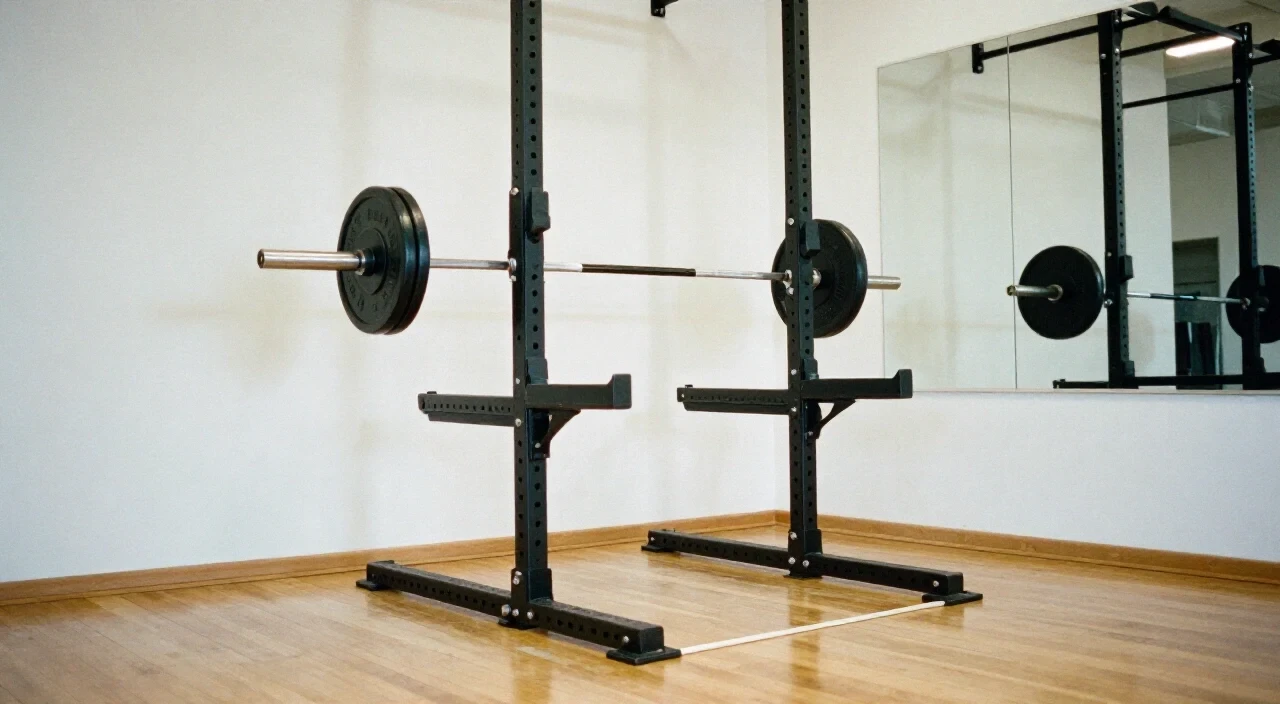
Key takeaways
- Strength training boosts performance and cuts injury risk
- Optimal frequency is 2–3 sessions weekly with 48-hour recovery
- Progress load gradually; avoid increasing volume and intensity together
- Use a coached programme in Manchester to ensure technique and periodisation
Frequently asked questions
How many sessions per week are ideal for an athlete?
A balanced plan includes two to three strength sessions weekly, allowing at least 48 hours between work on the same muscle groups while still fitting around sport practice.
Do I need heavy weights to see benefits?
No. Early stages focus on bodyweight and light loads to cement technique. Neural adaptations and power gains occur with moderate loads moved explosively, and heavier weights are introduced only after consistent form.
Can I combine strength work with my current training plan?
Yes. Schedule lifting on non-consecutive days, keep sessions under 60 minutes, and pair them with a brief aerobic warm-up and cool-down. Coaches at Halter Strength Club can map the programme onto your existing calendar.