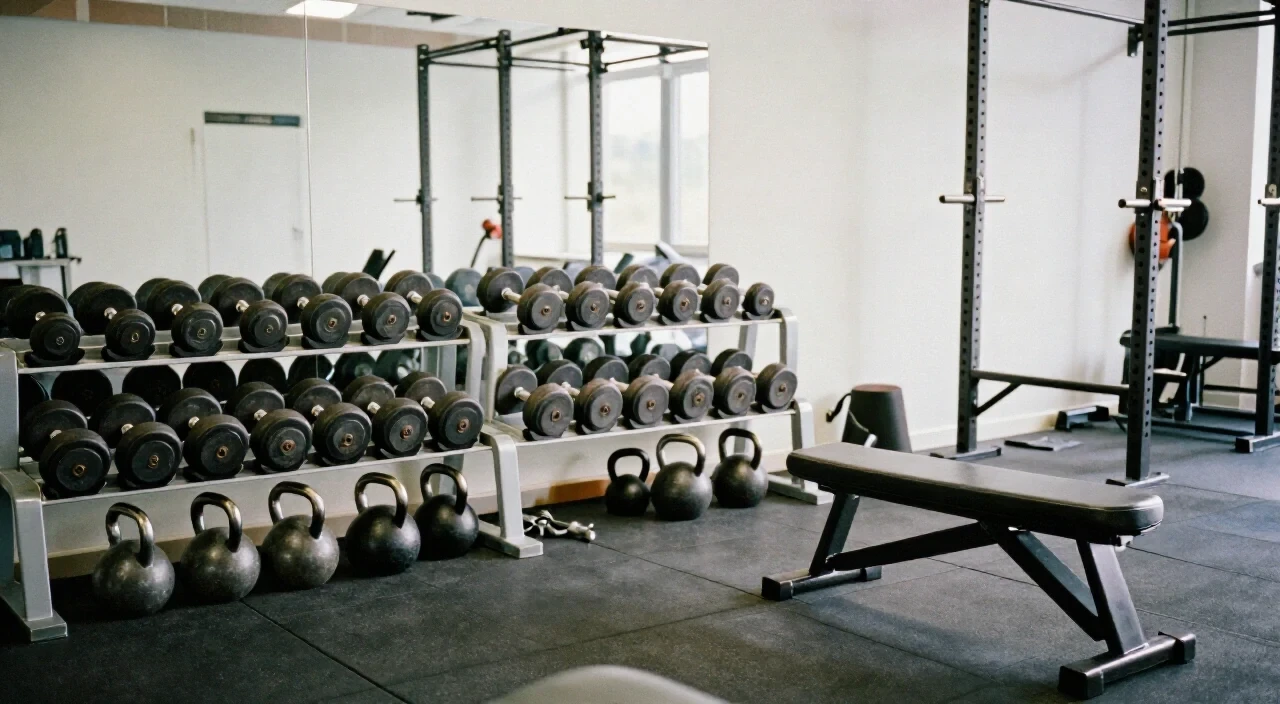
Strength training for women builds lean muscle, improves bone density, boosts metabolism, and enhances functional strength, making everyday tasks easier and reducing injury risk. It also supports mental confidence and long-term health, whether the goal is fitness, sport performance, or overall well-being.
Table of Contents
Key takeaways
- Strength training builds muscle and bone
- Improves metabolism and weight management
- Boosts confidence and functional strength
- Begin with proper form and consistent schedule
What are the main benefits of strength training for women?
Strength training for women delivers multiple health gains: increased muscle mass, stronger bones, faster metabolism, improved posture, and heightened confidence. It also lowers the risk of chronic conditions such as osteoporosis, type 2 diabetes, and heart disease while making daily activities feel easier.
The muscle increase raises resting metabolic rate, meaning more calories are burned even at rest. Stronger bones result from the micro-stress placed on the skeletal system during lifts, prompting remodeling that increases density. Improved posture comes from balanced development of the back, core, and glutes, reducing strain on the spine.
Confidence gains are often reported when women notice tangible progress, such as lifting heavier loads or completing more reps. This psychological boost can translate to other areas of life, from work to personal relationships. For beginners, starting at Halter Strength Club provides access to knowledgeable coaches who can ensure technique is safe and effective.
How often should women lift weights to see results?
A realistic schedule for women is two to three full-body strength sessions per week, each lasting 45-60 minutes. This frequency allows muscle protein synthesis to occur while providing sufficient recovery, leading to measurable improvements within six to eight weeks.
Each session should include a warm-up (5-10 minutes of dynamic movement), the main lifts, and a brief cool-down. Recovery days can feature light cardio, mobility work, or active stretching. Overtraining signs—persistent soreness, fatigue, or declining performance—signal the need to adjust volume or intensity.
Progress is tracked by logging load, reps, and sets. When a lift feels manageable for the prescribed reps, increase the weight by a small increment (about 2-5 %). Consistency beats occasional high-intensity bursts; regular sessions build the neuromuscular adaptations required for long-term strength gains.
Local gyms like Halter Strength Club often have class schedules that fit a two-to-three-times-weekly plan, making it easier to stay on track.
What type of weightlifting exercises are best for beginners?
Beginners benefit most from compound movements that engage several muscle groups simultaneously, such as squats, deadlifts, bench presses, and rows. These lifts develop functional strength, teach proper technique, and lay a solid foundation before adding isolation work.
Squats target the quads, glutes, and core, teaching hip hinge mechanics essential for many daily actions. Deadlifts reinforce posterior chain strength and improve grip. Bench presses develop chest, shoulders, and triceps, while rows balance pushing movements by strengthening the back.
Start with an empty bar or light dumbbells to master form. Key cues include keeping the spine neutral, driving through the heels, and breathing—inhale before the lift, exhale on the concentric phase. Once technique feels stable, gradually add weight.
Isolation exercises like bicep curls or leg extensions can be introduced later to address specific goals, but they should never replace the core compound lifts.
At Halter Strength Club, beginners can join introductory sessions that focus on these foundational lifts, ensuring safe progression.
Can strength training help with weight loss and bone health?
Yes, strength training accelerates calorie burn both during and after workouts, supporting weight loss, while the mechanical load placed on bones stimulates remodeling, increasing density and reducing fracture risk. Consistent lifting therefore addresses two common health concerns for women simultaneously.
During a lift, muscles consume energy; after the session, the body experiences excess post-exercise oxygen consumption (EPOC), which keeps metabolism elevated for up to 24 hours. Over weeks, this added calorie expenditure contributes to fat loss when paired with a balanced diet.
Bone remodeling responds to the stress of weight bearing. Progressive overload—gradually increasing load—signals osteoblast activity, leading to stronger bone matrix. This is especially valuable for women approaching menopause, when natural bone loss accelerates.
Combining strength work with adequate protein intake and vitamin D supports both muscle and bone adaptations. For those new to lifting, starting with bodyweight exercises and light dumbbells can still provide enough stimulus to begin improvements.
Halter Strength Club offers programs that integrate nutrition guidance and progressive strength plans to maximise these dual benefits.
Start every session with a light load and focus on perfect form; poor technique is the most common cause of injury in beginners.
Frequently asked questions
How long before I notice strength gains?
Most beginners feel increased strength within four to six weeks of consistent training, even if the visible muscle size change takes longer. Early improvements stem from neural adaptations, where the brain learns to recruit muscle fibers more efficiently.
Is it safe for women to lift heavy weights?
Lifting heavy is safe when proper technique and progressive loading are followed. Women do not have a physiological limit that differs from men; the main factor is individual conditioning. A qualified coach can tailor loads to ensure safety.
Do I need special equipment for women’s weightlifting?
No separate equipment is required. Standard barbells, dumbbells, and machines work for all genders. Adjustments such as grip width or seat height can accommodate different body proportions, and many gyms—including Halter Strength Club—provide a range of sizes.