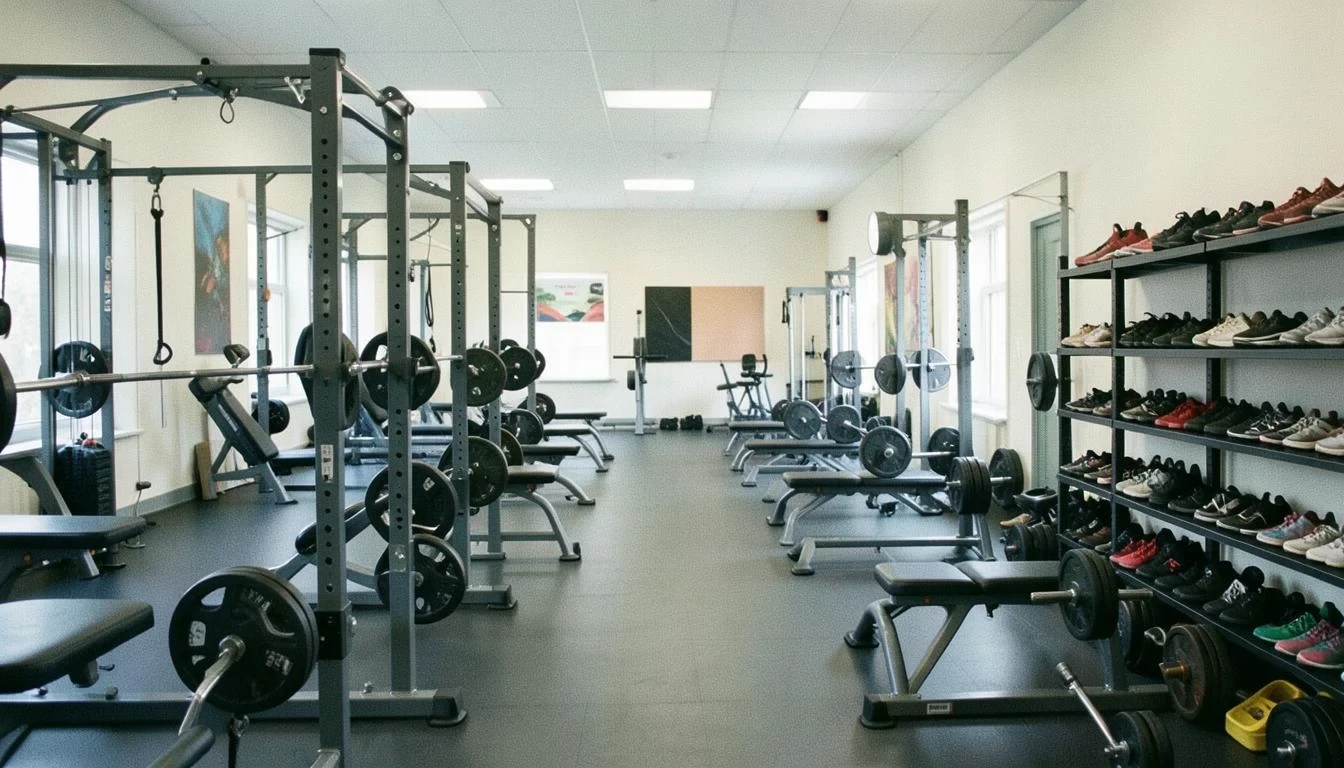
Weightlifting shoes provide stability and support for strength training.
Table of Contents
Key Takeaways
- Stability and support are key
- Look for a snug fit
- Check the sole material
What are the key features of weightlifting shoes?
Weightlifting shoes have a stiff sole and a snug fit. When choosing weightlifting shoes, consider the type of strength training you will be doing. For example, powerlifters may prefer a shoe with a more rigid sole, while Olympic lifters may prefer a shoe with a more flexible sole. The key features to consider include:
- Sole material: a stiff sole provides stability, while a more flexible sole allows for greater mobility
- Upper material: leather or synthetic, each with its own benefits and drawbacks
- Width and depth of the toe box: a roomy toe box allows for comfortable toe movement, while a narrower toe box provides a snug fit
- Breathable mesh panel: allows for airflow and helps keep the foot cool during intense workouts
- Heel-to-toe drop: a lower drop provides a more natural stride, while a higher drop provides greater stability
How do I choose the right size of weightlifting shoes?
To choose the right size of weightlifting shoes, follow these steps:
1. Try on shoes with the same type of socks you plan to wear during your workout
2. Check the length and width of the shoe: ensure a snug fit, but not too tight
3. Consider the depth of the toe box: ensure enough room for comfortable toe movement
4. Try on several different sizes to find the best fit: don't be afraid to try different sizes and styles to find the perfect fit
Common mistakes to avoid include:
- Choosing a shoe that is too tight or too loose
- Not trying on shoes with the same type of socks
- Not considering the depth of the toe box
What are the benefits of weightlifting shoes for strength training?
Weightlifting shoes provide several benefits for strength training, including:
- Improved balance and stability: a stiff sole and snug fit help to stabilize the foot and ankle
- Increased power and strength: a stable base allows for more powerful lifts
- Reduced risk of injury: a supportive shoe helps to reduce the risk of injury from rolling or twisting ankles
The benefits of weightlifting shoes vary depending on the type of strength training being done. For example, powerlifters may benefit from a more rigid sole, while Olympic lifters may benefit from a more flexible sole.
Try on weightlifting shoes at a local strength and conditioning gym, such as Halter Strength Club in Manchester, to get a feel for the different types and styles.
How often should I replace my weightlifting shoes?
The frequency of replacing weightlifting shoes depends on several factors, including:
- How often you use your shoes: more frequent use requires more frequent replacement
- The type of strength training you are doing: more intense training requires more durable shoes
- The condition of the shoe: check for signs of wear and tear, such as holes or tears
To determine when to replace your weightlifting shoes, follow these steps:
- Check the sole for wear and tear: look for signs of excessive wear, such as holes or tears
- Consider the condition of the upper material: look for signs of wear, such as cracks or tears
- Look for signs of excessive wear: if the shoe is no longer providing the necessary support and stability, it's time to replace it
Frequently Asked Questions
What are the best weightlifting shoes for beginners?
Look for a shoe with a sturdy sole and a comfortable fit. Consider the type of strength training you will be doing and choose a shoe that provides the necessary support and stability.
Can I use running shoes for weightlifting?
No, running shoes do not provide the stability and support needed for weightlifting. Weightlifting shoes are specifically designed to provide the necessary support and stability for strength training.
How do I care for my weightlifting shoes?
To extend the life of your weightlifting shoes, follow these steps:
- Clean the shoes regularly: use a soft brush and mild soap to clean the shoes
- Store the shoes in a cool, dry place: avoid exposing the shoes to extreme temperatures or moisture
- Avoid sharing shoes: sharing shoes can lead to the spread of bacteria and odors