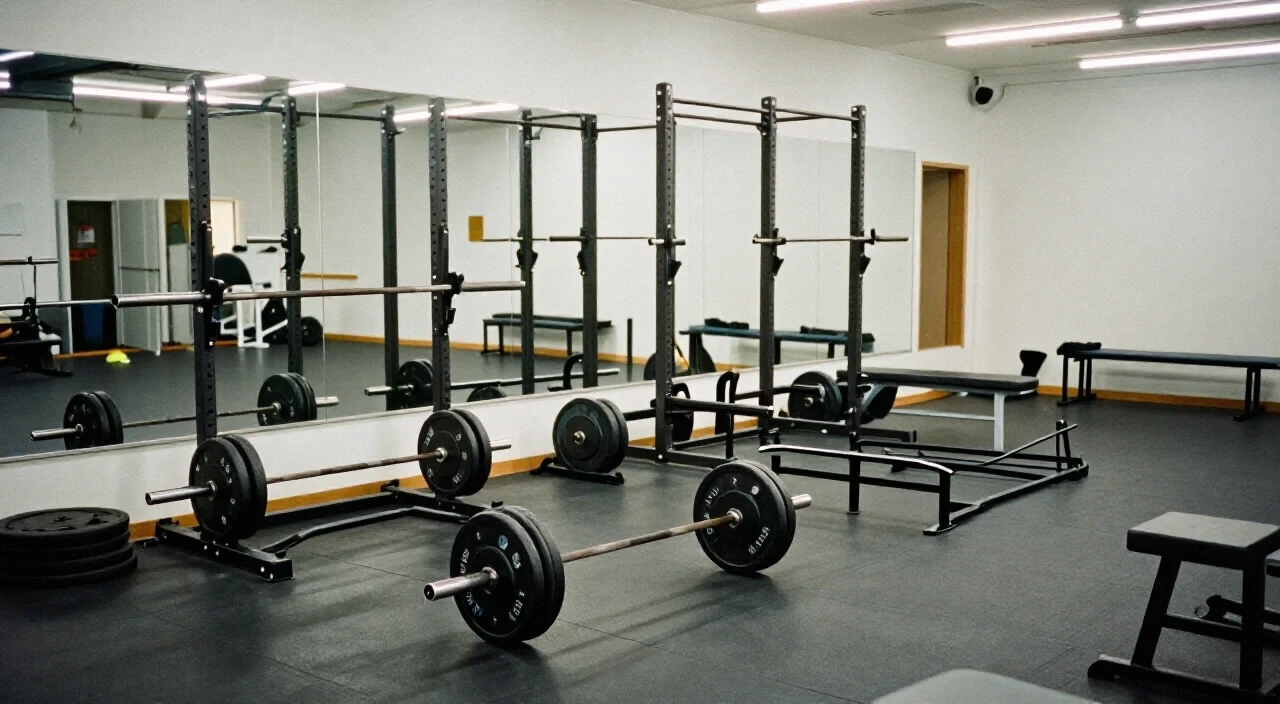
The cost of strength training depends on goals, equipment needs, and consistency. A gym membership can be a worthwhile investment if it supports regular access to proper equipment and coaching. In Manchester, where facilities vary, evaluating what you actually use helps determine long-term value.
Table of Contents
Key takeaways
- The cost of strength training varies by location, equipment, and support level.
- A gym membership is an investment only if used consistently and effectively.
- Home setups can save money but may lack variety or coaching access.
- Facilities in Manchester differ — assess what each offers before committing.
What does a gym membership actually include?
A standard gym membership grants access to equipment, space, and sometimes classes or coaching. In Manchester, options range from large chains to specialist strength and conditioning gyms. The value depends on whether the services align with your training goals.
Strength and conditioning gyms like Halter Strength Club focus on functional training, offering barbells, racks, sleds, and open floor space. These differ from general fitness centres that prioritise cardio machines and group classes. If your goal is building strength, access to free weights and structured programming matters more than a pool or sauna.
Check what’s included before signing. Some memberships offer orientation sessions, while others charge extra for coaching. Facilities in central Manchester may include 24/7 access, but smaller studios often operate fixed hours. Consider how often you’ll use the amenities — paying for features you won’t use inflates the effective cost.
- Access to squat racks and barbells
- Coaching or programme guidance
- Class inclusion (e.g. mobility, conditioning)
- Operating hours matching your schedule
- Locker or shower availability
How does home training compare in cost?
Home strength training can reduce recurring costs but requires upfront spending on equipment. For many in Manchester, space and noise constraints limit what can be installed, affecting long-term adherence.
A basic home setup might include a barbell, weights, and a rack. Entry-level kits start at a few hundred pounds, but quality gear that lasts costs more. Over time, this can match or exceed annual gym fees — especially if upgrades are needed. Limited equipment also restricts exercise variation, potentially stalling progress.
Space is a real issue in many Manchester homes. A dedicated area for safe lifting isn’t feasible in smaller flats. Noise from dropping weights may breach tenancy agreements, particularly in shared buildings. These factors reduce consistency, undermining the savings.
Maintenance and motivation are often overlooked. Equipment wears, plates chip, and bars rust. Without a training environment and community, some find it harder to stay committed. A gym offers built-in structure — showing up is half the battle.
When is a gym membership a smart investment?
A gym membership becomes a smart investment when it supports consistent, effective training. In Manchester, where weather and commute times can disrupt routines, having a reliable, accessible facility improves adherence.
Investing in strength training means prioritising progression, safety, and recovery. A well-equipped gym provides the tools to track lifts, adjust load, and perform movements correctly. Access to coaching feedback — even occasionally — reduces injury risk and improves technique. For those new to lifting, this guidance is often worth the membership cost alone.
Consistency matters more than frequency. Training two to three times per week with proper recovery yields results. A gym that fits your schedule and reduces friction — like being on your commute route — supports this. Facilities with clear programming, like those focused on strength and conditioning, remove guesswork from workouts.
Evaluate your usage. If you go less than once a week, the cost per session rises sharply. Consider pausing or downgrading. If you attend regularly and progress steadily, the membership is likely delivering value.
Never assume all gyms offer the same access. Some Manchester facilities restrict rack use during peak hours or require premium tiers for full equipment — always confirm what’s included before signing.
How can you assess value beyond price?
Value in strength training goes beyond monthly cost. It includes time saved, injury prevention, and progress achieved. A slightly more expensive gym that supports better training outcomes often costs less per result.
Start by defining your goals. Are you training for general fitness, sport performance, or rehabilitation? A strength and conditioning gym like Halter Strength Club may offer more targeted support than a general fitness chain. Look for evidence of structured programming, not just open gym time.
Observe the environment during your visit. Is the space well-maintained? Are racks and bars available when others are training? Cluttered or poorly managed facilities increase setup time and reduce efficiency. In Manchester, where commutes can be tight, maximising training time matters.
Consider the coaching approach. Some gyms include feedback in the membership; others charge extra. Ask how members are supported — through app tracking, written programmes, or in-person checks. The less you have to plan, the more likely you are to stay consistent.
- Is equipment appropriate for strength progression?
- Are coaches present and accessible?
- Does the schedule fit your availability?
- Is the space conducive to focused training?
- Do members appear to be progressing?
Frequently asked questions
Is strength training expensive in Manchester?
Costs vary widely. Budget gyms offer low entry fees but may lack strength equipment. Specialist strength and conditioning gyms charge more but provide targeted support, making them cost-effective for serious lifters.
Can I build strength without a gym membership?
Yes, but limitations exist. Bodyweight training and minimal equipment work for beginners. As strength grows, access to progressive load — like barbells — becomes essential for continued gains.
How often should I go to make a membership worth it?
Twice a week is a realistic minimum. Regular attendance supports habit formation and measurable progress. Infrequent use increases the effective cost per session and reduces return on investment.