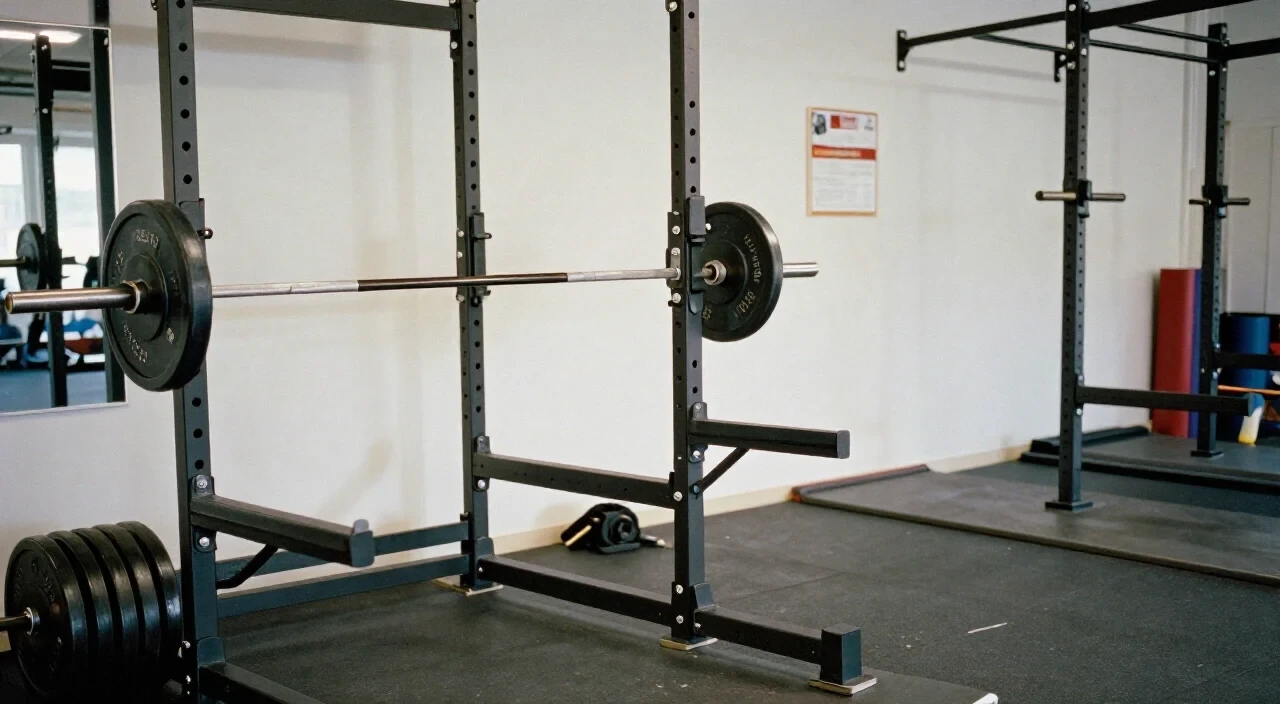
Strength training goals are specific, measurable targets you create to guide your lifting program, such as adding 10 kg to a squat or mastering a strict pull-up within three months. Clear goals give direction, motivate progress, and let you track results objectively.
Table of Contents
Key takeaways
- Define goals with the SMART framework
- Plan weekly sessions that match the goal
- Log every lift, weight, and effort
- Review data regularly and adjust as needed
How do I define realistic strength training goals?
A realistic strength training goal is a clear, measurable target that fits your current abilities, time availability, and long-term vision. It should specify the lift, the desired load or repetition range, and a timeframe, such as adding 5 kg to a deadlift in eight weeks.
The most reliable way to build a realistic goal is to use the SMART criteria—Specific, Measurable, Achievable, Relevant, and Time-bound. Start by testing your one-rep max (or a close approximation) on the lift you want to improve. From that baseline, set a target that represents a 5-10 % increase over the next 6-12 weeks; this range is challenging yet attainable for most lifters.
Write the goal down in a format like: “Increase barbell back-squat to 100 kg for 5 reps by week 10.” Including the repetition scheme clarifies the strength-endurance component. When training in Manchester, consider local factors such as gym crowding during peak hours and seasonal weather that may affect motivation.
Common pitfalls include setting vague goals (“get stronger”) or aiming for massive jumps that require months of dedicated work. If a target feels too easy, raise the load or shorten the timeframe; if it feels impossible, adjust either variable. Regularly revisiting the goal after each training cycle helps keep it realistic.
What steps should I follow to plan my training around those goals?
Planning around a strength goal means choosing exercises, volume, and intensity that directly support the target lift. A weekly template that balances heavy work, technique drills, and recovery lets you progress without overtraining and keeps you motivated throughout the cycle.
Begin by selecting the main lift (e.g., bench press) and two supportive movements that reinforce the same muscle groups, such as overhead press and rows. Allocate two to three heavy days per week, each focusing on a different variation of the main lift to avoid monotony and reduce injury risk.
Determine the set-rep scheme using a periodised approach: for example, weeks 1-3 at 4 × 6 @ 75 % of 1RM, week 4 a deload at 3 × 5 @ 60 %, then repeat with a 2-5 % load increase. This progressive overload ensures steady gains while providing built-in recovery.
Add accessory work that addresses weak points—core stability, hip mobility, or grip strength—using 2-3 sets of 8-12 reps. Finish each session with a brief mobility routine to maintain range of motion, especially important for lifters training in colder months typical of Manchester.
A simple weekly checklist might look like:
- Monday: Heavy squat + posterior chain accessories
- Wednesday: Bench press variation + upper-body stability
- Friday: Deadlift + grip/hamstring work
- Optional light technique or conditioning session on Saturday
Avoid scheduling back-to-back heavy days for the same muscle groups; give at least 48 hours of rest to maximise recovery.
How can I track progress and adjust goals effectively?
Tracking progress involves recording load, reps, and perceived effort each session, then reviewing the data every few weeks to see trends. Adjustments—like increasing weight by 2-5 % or adding a set—are made only when the current pattern shows consistent success for the upcoming training block.
Use a dedicated training log—paper or digital—to note three key variables: the weight lifted, the number of repetitions completed, and the RPE (Rate of Perceived Exertion) on a 1-10 scale. Over time, these numbers reveal whether strength is plateauing, improving, or regressing.
Every three to four weeks, plot your main lift’s weekly best weight on a simple chart. If the line is upward, maintain the current programming and consider a modest load increase. If the line flattens for two consecutive cycles, evaluate possible causes: insufficient sleep, nutrition gaps, or technique breakdowns.
When adjusting, follow the principle of small, measurable changes. Adding 2-5 % more weight, inserting an extra set, or reducing rest intervals by 10-15 seconds are all viable tweaks. Avoid large jumps that can compromise form and raise injury risk.
A quick self-audit checklist:
- Has RPE stayed within 7-8 for heavy sets?
- Are technique cues (e.g., bar path, foot placement) consistent?
- Is recovery (sleep, nutrition) adequate?
- Do weekly logs show a steady or improving trend?
If answers reveal multiple red flags, it may be time to back-off and focus on mobility or technique before pushing the load again.
When should I seek professional help with my strength training goals?
Consider professional help when a goal stalls for more than two training cycles, when technique breaks down, or when injury risk rises. A qualified coach can redesign programming, correct form, and provide objective feedback that speeds progress safely for you in Manchester.
A stall lasting eight weeks or more often signals that the current program no longer provides sufficient stimulus or that recovery is inadequate. A coach can run a movement assessment to pinpoint technical flaws—such as shallow squat depth or inconsistent bar path—that may be limiting strength gains.
Injury warning signs include persistent joint pain, sharp muscle strains, or chronic soreness that does not subside after deload weeks. A professional can prescribe corrective exercises, adjust volume, or recommend alternative lifts that protect vulnerable areas while still targeting the desired strength outcome.
Beyond troubleshooting, a coach brings expertise in periodisation, nutrition timing, and psychological strategies like goal framing. Even a single session can clarify the next steps and give you a concrete action plan, saving weeks of guesswork.
If you decide to work with a coach, look for credentials from recognised bodies (e.g., UK Strength and Conditioning Association) and ask about their experience tailoring programs for lifters at your level. A brief initial consultation—often offered by local gyms like Halter Strength Club—helps you gauge compatibility before committing.
Keep a training log that records weight, reps, and RPE immediately after each session; reviewing the log weekly reveals patterns, prevents missed lifts, and makes it easy to spot when a goal needs tweaking.
Frequently asked questions
What is a realistic timeframe for adding weight to a squat?
A typical increase of 5-10 % on your current squat max can be achieved in 6-12 weeks, provided you follow a structured program, maintain good nutrition, and allow adequate recovery.
Can I set strength goals without a gym membership?
Yes. Bodyweight progressions, resistance bands, and home-based barbells can all be programmed toward measurable targets. The key is to define a clear metric—such as a pistol-squat depth or a band-resisted deadlift weight—and track it consistently.
How often should I reassess my strength training goals?
Review goals every 3-4 weeks. This interval aligns with typical training cycles, giving enough time to observe meaningful change while allowing you to adjust load, volume, or technique before a plateau becomes entrenched.