Choosing the right strength training gym in the UK depends on budget, coaching style, equipment, contract terms and daily schedule; a low-cost open gym suits casual lifters, while a coached club like Halter offers structured programming for busy professionals. Evaluate each factor before signing up.
Table of Contents
- 01What should I look for when comparing strength training gyms in the UK?
- 02How do the real costs of popular Manchester gyms compare over a year?
- 03Is a coached strength club like Halter Strength Club worth the extra price compared to low-cost gyms?
- 04Can I cancel a gym contract legally and without penalty?
- 05Frequently asked questions
- 06Sources
Key takeaways
- Calculate total first-year cost, not just headline price
- Check contract length, cancellation policy and hidden fees
- Match equipment and coaching style to personal goals
- Consider opening hours and peak-time crowding
What should I look for when comparing strength training gyms in the UK?
Key factors include total first-year cost, contract length, equipment quality, coaching availability, opening hours and how crowded the facility gets during peak times. Matching these to personal goals—whether powerlifting, general strength, or guided programming—helps narrow the field quickly and efficiently for you.
Start with the price you will actually pay in the first twelve months. Add any joining fee, mandatory upfront payment and the cost of required add-ons such as lockers or parking. Next, read the contract carefully: does it auto-renew, require a minimum term longer than one year, or allow early exit with a penalty?
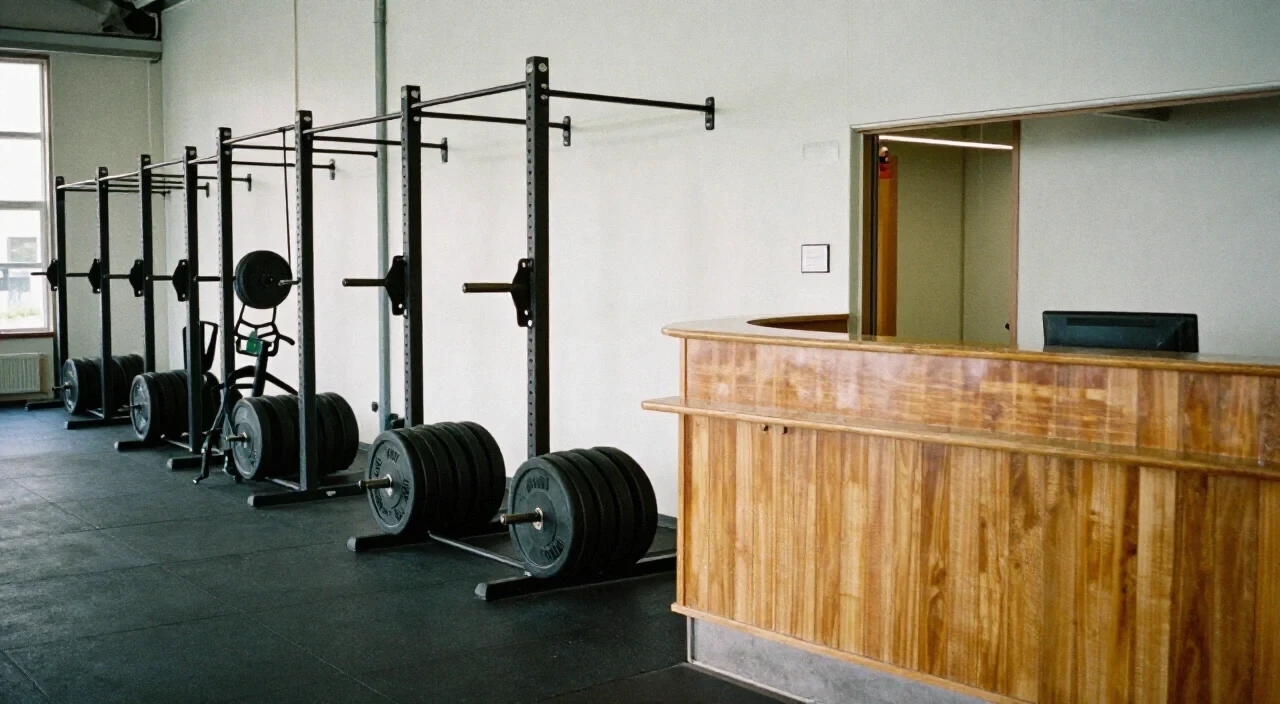
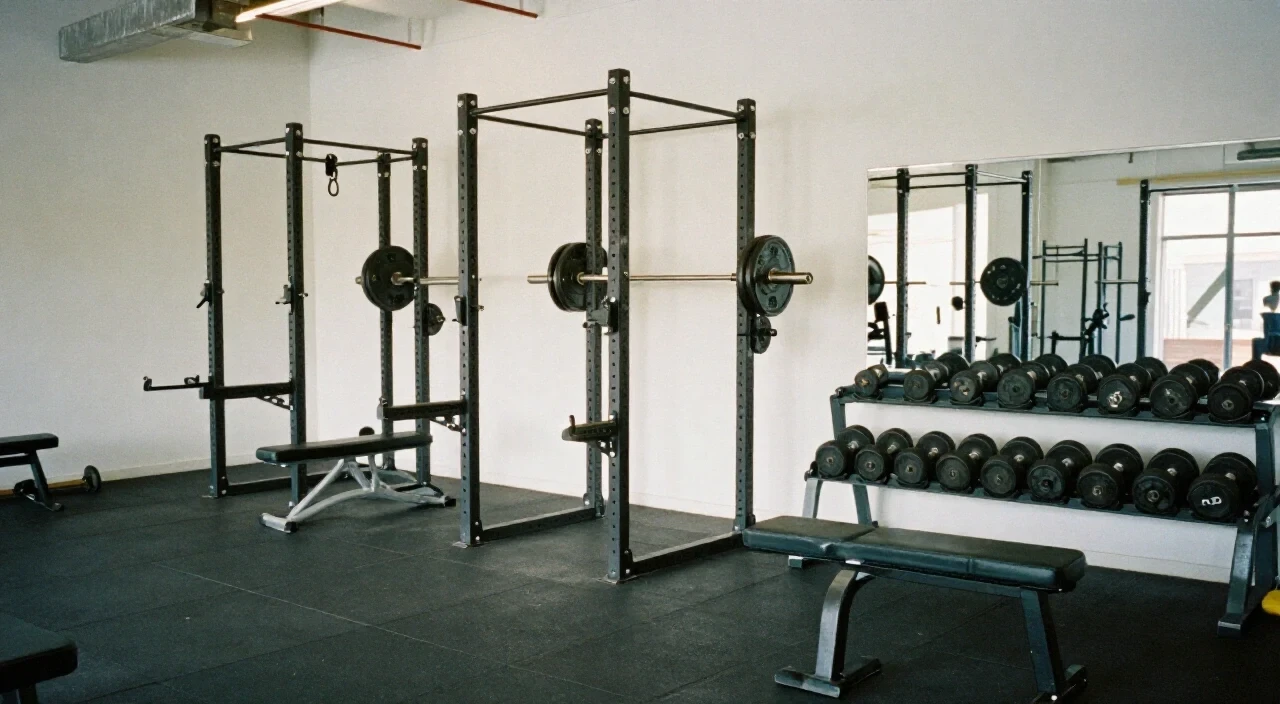
Equipment matters more than square footage. Look for multiple power racks, a dedicated lifting platform, a range of plates (from 2.5 kg to 25 kg) and sturdy barbells. Some gyms rotate gear seasonally; ask how often plates are replaced.
Coaching can be a deal-breaker. A gym that offers small-group strength classes, qualified personal trainers, or structured programming adds value for those who need guidance. Verify the coach’s credentials and whether progress is tracked.
Opening hours should align with work patterns. A facility open from 06:00 to 22:00 on weekdays, like Halter Strength Club, accommodates early-morning or late-evening sessions. Finally, visit at the time you plan to train to gauge crowd levels and overall atmosphere.
- Total cost (membership + fees)
- Contract length and exit clause
- Equipment list and maintenance schedule
- Availability of qualified coaches
- Hours that match your work schedule
How do the real costs of popular Manchester gyms compare over a year?
First-year expenses vary widely: The Gym Group’s 12-month upfront plan costs £399, JD Gyms charges £26.99 monthly with no contract, Muscle Manor rolls at £39.99 including classes, and Sport Manchester’s pay-as-you-go option is £11 per visit. Halter’s pay-per-class model adds up differently.
The Gym Group’s 12-month upfront option (£399) works out to £33.25 per month with no joining fee, but the same gym also offers rolling monthly plans at £16.99 plus a £10 joining fee, meaning the first month costs £26.99. Over twelve months that totals £323.88, slightly cheaper than the upfront deal.
JD Gyms advertises a flat £26.99 per month with no contract, so the annual spend is £323.88 as well. No hidden fees apply, making it one of the most transparent options.
Muscle Manor’s rolling membership is £39.99 per month and includes classes. Over a year that equals £479.88, and because classes are bundled, the per-session price is lower than buying them separately.
Sport Manchester’s public Active membership is £210 for a full year, which is £17.50 per month, but that only grants access to the council-run facilities; each extra gym visit costs £11, so a regular lifter attending three times a week would spend roughly £462 annually.
Halter Strength Club does not sell a traditional monthly membership. Instead, clients pay per session: a small-group strength class is £15, personal training is £45 per hour, and mobility work is £12. A typical programme of two classes and one personal session per week costs (£15 × 2 + £45) × 4 ≈ £300 per month, or £3,600 per year. While the headline figure is higher, the price reflects personalised programming, small class sizes and professional coaching.
When you add joining fees, notice periods or mandatory upfront payments, the real first-year cost can differ by up to £200 between providers. Use a spreadsheet to model your expected attendance and see which model aligns with your budget.
Is a coached strength club like Halter Strength Club worth the extra price compared to low-cost gyms?
Halter offers small-group classes, personalised programming and a phone-free floor, which can accelerate progress for busy professionals more than a cheap open gym where equipment is shared and coaching is absent. The higher per-session price is offset by structured training and accountability.
At Halter, each class is capped at a size that lets the head coach, Mara Voss, watch technique and give real-time cues. This contrasts with larger commercial gyms where a lifter may wait for a free barbell or train without feedback. The focused environment reduces the risk of bad form and injury, which can otherwise delay progress.
Programming at Halter is built around periodised cycles, meaning workouts are sequenced to develop strength, power and recovery in a logical order. Members receive weekly updates and can track lifts in a shared log, something rarely offered at low-cost chains.
The cost structure reflects these services. While a single class is £15, the value lies in the expertise, equipment availability (multiple racks, calibrated plates) and the community that encourages consistency. For a professional who can only train 2–3 times a week, paying per session avoids the waste of an unused monthly membership.
If you thrive on self-directed training and are comfortable troubleshooting technique, a cheap gym may suffice. However, if you prefer guidance, want to avoid plate-waiting, and need a schedule that fits a full-time job, Halter’s model often delivers faster, safer results, making the higher price a worthwhile investment.
- Small class size ensures individual feedback
- Structured periodised programming
- Dedicated lifting platform and well-maintained equipment
- Phone-free environment promotes focus
- Flexible pay-per-session model suits irregular attendance
Always ask for a written breakdown of all fees before signing – hidden joining costs or automatic renewals can add up to hundreds of pounds over a year.
Can I cancel a gym contract legally and without penalty?
Under UK consumer law, you may end a contract early if you can prove serious injury or illness with medical evidence; otherwise you must usually pay the remaining balance. Many gyms also include unfair terms like automatic renewal, so read the fine print before signing.
Citizens Advice highlights that early cancellation typically requires covering the remaining contract value, unless you provide a medical certificate confirming that continuing would be unsafe. Some gyms will accept a written notice and waive fees if they can re-let the membership to another member quickly.
Watch out for clauses that automatically renew the agreement after the initial term without asking for consent. If a gym tries to increase the price mid-contract, that may be deemed an unfair change unless you are given a reasonable period to exit.
When you are considering a new gym, compare the cancellation policy side-by-side with the price. A no-contract option like JD Gyms or The Gym Group gives you the freedom to leave at any time, whereas a 12-month upfront deal locks you in but often removes the need for a joining fee.
If you already have a contract, write a formal cancellation letter, attach any medical evidence if applicable, and keep a copy for your records. Follow up with a phone call to confirm receipt and request written confirmation of the termination date and any final charges.
- Provide medical evidence for health-related exits
- Check for automatic renewal clauses
- Note any required notice period (often 30 days)
- Retain copies of all correspondence
- Verify final balance before closing the account
Frequently asked questions
What equipment does a serious strength gym need?
A solid strength gym should have at least two power racks, a dedicated lifting platform, a full set of calibrated plates (2.5 kg-25 kg), Olympic-standard bars, and space for mobility work. Consistent maintenance is also essential.
Are coached strength classes worth the extra cost?
Coached classes provide technique correction, structured programming and accountability, which can accelerate gains and reduce injury risk. For busy professionals, the value often outweighs the higher per-session price compared with self-directed training.
How can I avoid hidden fees when signing up?
Ask for a written breakdown of all costs, including joining fees, equipment rentals, and cancellation penalties. Review the contract for automatic renewal or price-increase clauses, and confirm the notice period required to end the membership.