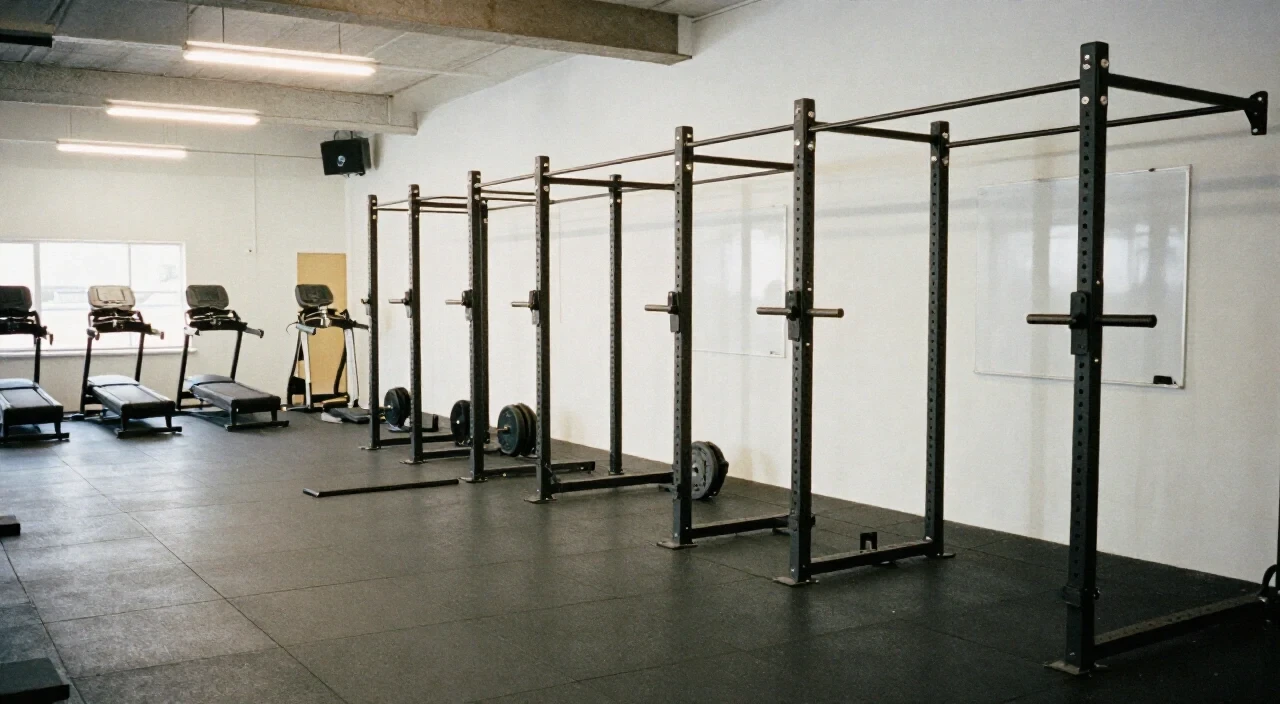
Joining a gym gives you a built-in **community** that holds you accountable, provides expert coaching, and creates social momentum that makes regular **strength training** easier than solitary home workouts. In Manchester, a club like Halter offers small-group classes and a phone-free floor to keep focus.
Table of Contents
Key takeaways
- A gym community provides accountability and motivation
- Coached small-group classes accelerate technique learning
- Trial sessions let you test the vibe before committing
- Halter offers a phone-free floor and free intro session
Is joining a gym better than working out at home?
A gym generally outperforms home workouts for most people because it supplies equipment, professional guidance, and a community that encourages consistency. While a home setup can be convenient, the structured environment of a club like Halter reduces distraction and accelerates strength gains.
Home gyms lack the variety of plates, racks, and conditioning tools that a commercial facility provides. Without a coach, beginners may lift with poor form, risking injury and slower progress. In a Halter class, the head coach Mara Voss ensures each rep meets technical standards, while peers offer immediate encouragement.
The social element also matters. Seeing a colleague finish a set, swapping tips, or simply sharing a post-workout coffee creates a habit loop that a solitary routine cannot replicate. For busy professionals, the 06:00-22:00 opening hours mean a session can fit before or after work without compromising family time.
Common mistake: assuming a cheap membership equals value. A low-cost gym may have outdated equipment and minimal staff, eroding the community feel. Prioritize coaching quality, class size, and the presence of a clear program over price alone.
How does a gym community boost motivation and consistency?
A supportive gym community turns motivation into habit by providing peer accountability, shared goals, and immediate feedback from coaches. Seeing others progress, joining group lifts, and receiving encouragement during tough sets keep momentum high.
When members train together, they naturally adopt each other's work ethic. A small-group strength class at Halter (max 10 participants) means you can see who’s adding weight each week and feel inspired to match or exceed that progress. Coaches call out form cues in real time, preventing bad habits before they become ingrained.
Psychologically, belonging to a group satisfies the human need for social connection, which research links to higher adherence rates. The club’s policy of no phones on the floor removes digital distractions, allowing members to stay fully present and engage with one another.
Mistake to avoid: relying solely on self-motivation. Even the most disciplined lifter benefits from external prompts—class schedules, buddy check-ins, and coach reminders. If the environment feels competitive rather than supportive, look for a gym that explicitly markets inclusivity and offers beginner-focused sessions like Halter’s “Weights for Women” style circuits.
What should a beginner look for in a strength-training gym?
Beginners should prioritize gyms that offer coached small-group sessions, clear programming, and an inclusive atmosphere where phones are discouraged. Look for trial classes, qualified staff, and equipment that matches your goals, such as the full-body circuits at Halter.
First, check the coach-to-member ratio. A class of ten or fewer ensures individualized cueing. Halter’s head coach, Mara Voss, designs each session with progressive overload in mind, so newcomers can start with light loads and build confidence.
Second, assess the equipment layout. A well-organized floor with dedicated zones for squats, deadlifts, and mobility work reduces wait times and keeps the flow smooth. Halter’s floor is intentionally uncluttered, encouraging focus on movement rather than screens.
Third, evaluate the community vibe during a free intro session. Ask how new members are paired with training partners and whether there are regular check-ins. A genuine community will have a plan to integrate beginners, not just a marketing tagline.
Common pitfall: joining a busy gym assuming crowd equals community. High traffic can mean long waits and limited interaction. Small, coached clubs often deliver stronger social bonds and better technical outcomes for novices.
Tip: Book Halter’s free intro session, watch how coaches correct form, and ask a current member how the group dynamics feel. A genuine community will have a clear onboarding plan and encourage you to train without your phone.
Can I try a gym before committing to a membership?
Most Manchester gyms, including Halter, let potential members experience a session at no cost, and online sign-ups give a 14-day right to cancel with proportional charges. Testing the floor and meeting members first helps ensure the community fits personal expectations.
When you sign up online, the Consumer Contracts Regulations grant a 14-day cooling-off period. If you attend a class within that window, you’ll be billed only for the days used. In-person sign-ups usually forgo this right, so schedule a trial first.
Halter’s free intro session includes a brief strength assessment and a sample small-group class. After the session, staff will explain membership tiers, pricing, and the cancellation process. This transparency lets you compare costs with other local options like Active Manchester or Y Club without surprise fees.
Remember to ask about renewal notices and how the upcoming Digital Markets, Competition and Consumers Act (effective spring 2027) will affect contract terms. Clear communication now prevents future disputes.
Mistake to watch: signing a long-term contract before experiencing the culture. A trial period reveals whether the gym’s ethos, class schedule, and community vibe align with your lifestyle.
Frequently asked questions
Is a gym membership worth the cost?
When a strong community and professional coaching are factored in, the added value often exceeds the price. Consistent strength training improves health, confidence, and daily functional ability, delivering long-term savings on healthcare and productivity.
How does group training improve strength?
Group sessions provide immediate feedback, competitive energy, and shared accountability. Coaches can adjust loads on the spot, while peers push you to finish sets you might otherwise stop early, leading to faster strength adaptations.
What is the cancellation policy for a Manchester gym?
Online memberships have a statutory 14-day cancellation window with proportional refunds. In-person sign-ups usually lack this right, so always confirm the gym’s specific terms before committing.