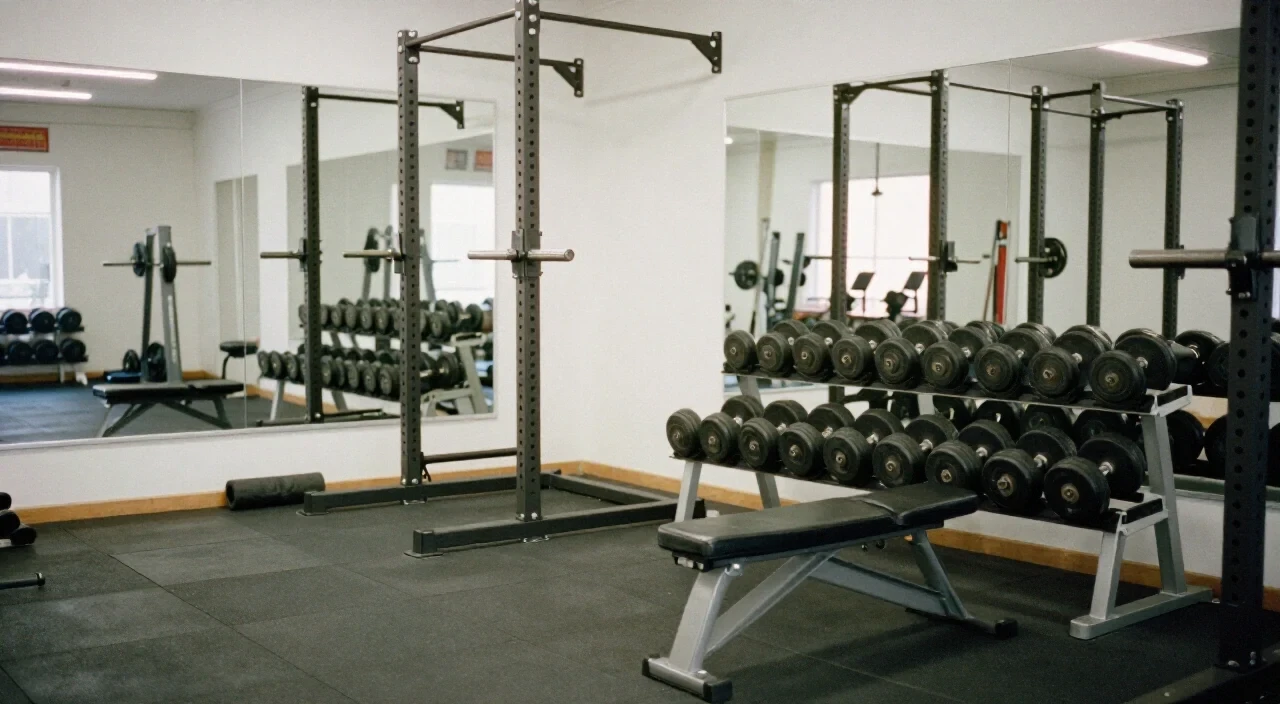
Common injuries in strength training usually stem from rapid load increases, poor technique, or ignoring pain signals. By matching intensity to current fitness, using proper form, progressing gradually, and respecting recovery, most setbacks can be prevented, allowing consistent training without unnecessary downtime.
Table of Contents
Key takeaways
- Match load to current ability
- Progress gradually, not weekly spikes
- Prioritise technique and core stability
- Seek professional help for sharp joint pain
What are the most common injuries from strength training?
The most frequent strength-training injuries involve the lower back, shoulders, knees and hamstrings, usually appearing as strains, tendonitis or joint irritation after excessive load or flawed technique. These problems often arise when progression outpaces the body’s adaptation, when core stability is lacking, or when lifts are performed without proper alignment.
Lower-back strains and lumbar disc irritation rank highest because the spine bears heavy axial loads. Shoulder impingement and rotator-cuff tendinopathy follow, especially in overhead presses and bench presses. Knee pain, often patellar tendonitis, appears when squat depth or load exceeds the knee’s current conditioning. Hamstring strains are common when athletes sprint or perform deadlifts without adequate warm-up.
UK guidance advises starting with low intensity and building gradually, which directly counters the “too-fast-progression” mistake. A 2026 systematic review showed that well-designed strength programmes cut overall injury risk by about 30 % in contact-sport athletes, with hamstring injuries dropping 63 %. While those figures come from athletes, the principle—balanced, progressive loading—applies to recreational lifters.
Common mistakes include adding weight, sets or frequency faster than the body can adapt, and copying advanced lifts without regression. Ignoring sharp joint pain or treating it as normal soreness is another major risk factor. Balanced programming that rotates movement patterns, includes recovery days, and focuses on technique reduces the likelihood of these injuries.
When uncertainty arises, a qualified coach at a local facility such as Halter Strength Club in Manchester can assess form, suggest regressions, and design a progression plan that respects individual capacity.
How can I prevent lower-back pain when lifting weights?
Lower-back pain during lifts is usually linked to inadequate core engagement, excessive lumbar flexion, or loading the spine beyond its current capacity. Maintaining a neutral spine, bracing correctly, and building posterior-chain strength reduce the risk dramatically. A gradual increase in load combined with technique checks ensures the lumbar region stays protected throughout the session.
Start each session with a dynamic warm-up that activates the glutes, hamstrings and core—bodyweight good mornings, bird-dogs and hip bridges are effective. During the lift, take a deep breath, brace the abdominal wall like preparing for a punch, and keep the chest up. This intra-abdominal pressure stabilises the spine.
Select a weight that allows the lifter to keep the lumbar spine neutral for the entire range of motion. If the lower back rounds at any point, reduce the load or adjust stance. Using platforms or lifting belts should be reserved for loads that exceed the lifter’s proven capacity; they are not a substitute for proper technique.
Progression should follow the “2-10-20” rule: increase weight by no more than 2 % per week, add no more than 10 % of total volume, and ensure at least 20 % of training sessions focus on mobility and posterior-chain work. This aligns with the UK Chief Medical Officer’s advice to build intensity gradually.
If persistent soreness lingers beyond 48 hours or turns into sharp pain, pause the offending exercise and seek advice from a physiotherapist or an experienced coach. Early intervention prevents minor strain from becoming chronic injury.
Should I train through muscle or joint pain?
Training through sharp joint pain is unsafe; muscle soreness is normal, but persistent joint ache signals tissue stress that requires modification or professional assessment. If the discomfort worsens during a set or lingers beyond 24 hours, the load should be reduced, the movement re-evaluated, and medical advice considered.
Muscle soreness, known as delayed-onset muscle soreness (DOMS), typically peaks 24-48 hours after a new stimulus and feels like a dull ache. It does not impair joint range of motion and improves with continued exposure. Joint pain, however, is often localized, may be accompanied by swelling, and can limit movement.
When joint pain appears, first check alignment: are knees tracking over toes? Is the wrist neutral? Small technical tweaks can often eliminate stress points. Reducing the load by 10-20 % and increasing repetitions can maintain stimulus while allowing tissues to adapt.
Incorporate pre-hab exercises that strengthen stabilising muscles—band external rotations for shoulders, clamshells for hips, and single-leg deadlifts for knee stability. These exercises address the underlying imbalances that frequently cause joint irritation.
If pain persists after a week of adjusted training, schedule an appointment with a physiotherapist. They can differentiate between tendinopathy, bursitis, or early-stage overload injuries and prescribe targeted rehabilitation. Halter Strength Club can recommend local professionals familiar with strength-training injuries.
Is stretching or warming up better for preventing injuries?
Both dynamic warm-ups and targeted stretching have roles, but a movement-specific warm-up that raises heart rate and activates muscles is more effective at preventing acute injuries than static stretching alone. A brief 5-10 minute routine of bodyweight squats, lunges, band pull-aparts and kettlebell swings prepares the joints for heavier loads while preserving range of motion.
Dynamic warm-ups increase blood flow, elevate muscle temperature, and prime neural pathways, which improves coordination and power output. They should mirror the primary movement patterns of the workout; for a lower-body session, include hip hinges, glute bridges and walking lunges. For upper-body days, focus on band pull-aparts, scapular push-ups and arm circles.
Static stretching is best saved for the cool-down phase, when muscles are already warm. Holding a stretch for 20-30 seconds can improve flexibility over time, but performing it before heavy lifting may temporarily reduce force production and does not significantly lower injury risk.
A practical checklist for a pre-workout routine:
- 5 minutes of light cardio (rower or jogging) to raise core temperature
- 2-3 sets of movement-specific dynamic drills (e.g., kettlebell swings for hip extensors)
- Activation of stabilisers with bands or light dumbbells
- Brief mobility work for any known tight spots (ankle dorsiflexion, thoracic rotation)
Following this protocol aligns with UK recommendations that activity be matched to one’s current fitness level and reduces the chance of sudden strains during the main lifts.
Include a 5-minute mobility circuit after each session, focusing on hips, shoulders and thoracic spine, to reinforce range of motion and reduce delayed-onset soreness.
Frequently asked questions
What should I do if I feel sharp joint pain during a lift?
Stop the lift immediately, note the joint and movement, and reduce the load or modify the exercise. If pain persists after a short rest, seek assessment from a qualified coach or physiotherapist.
How often should I reassess my technique?
A formal technique review every 4-6 weeks helps catch subtle form drift. Between reviews, use video playback or ask a trainer for spot checks, especially when increasing weight or trying a new variation.
When is a physiotherapist needed after a gym injury?
If pain is sharp, swelling, or limits daily activities after 48-72 hours, professional evaluation is advisable. Early physiotherapy can prevent chronic issues and guide a safe return-to-lifting plan.