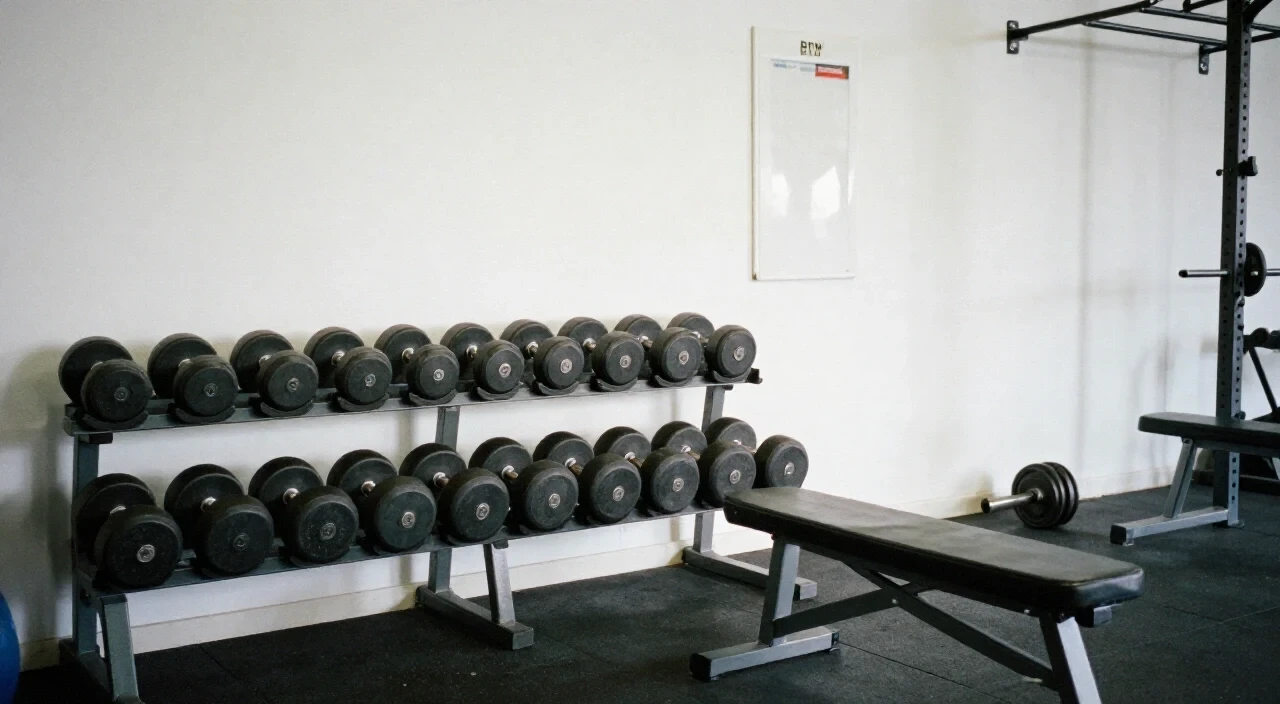
A beginner strength training routine should consist of two to three full-body sessions per week, each lasting 45-60 minutes, with 2-3 sets of 8-12 reps covering push, pull and squat movements. Start light, focus on technique, and add load only after mastering the current level.
Table of Contents
Key takeaways
- Start with 2-3 full-body sessions per week
- Focus on push, pull and squat patterns
- Use 2-3 sets of 8-12 controlled reps
- Progress by improving technique, then adding reps, then weight
- Record each session for safe progression
How many days per week should a beginner do a strength training routine?
The NHS advises at least two strength sessions each week for adults, and three days works well for most beginners because it balances stimulus and recovery. Space workouts (e.g., Monday, Wednesday, Friday) to let muscles repair between sessions.
Two-day programs are the minimum for health benefits, but adding a third day increases strength gains without excessive fatigue if the volume stays modest. Each session should target all major muscle groups, which aligns with UK guidance that muscle-strengthening activity cover the whole body.
In Manchester gyms, peak times can make equipment scarce. Planning workouts for mid-morning or early evening often avoids the rush, and many clubs—including Halter Strength Club—offer a beginner induction that teaches proper form before heavy loading. If a particular machine is unavailable, substitute a free-weight or bodyweight alternative to keep the routine consistent.
Common mistake: training every day or doing high-volume splits too early. Muscles need a short rest, typically 48 hours, before being challenged again. Overtraining leads to soreness, reduced technique quality and higher injury risk.
When in doubt, start with two days, evaluate how the body feels, then add a third day if recovery is adequate.
What exercises belong in a beginner strength training routine?
A solid beginner routine covers the three fundamental movement patterns—push, pull and squat—using a mix of bodyweight, free-weights or machines. Typical choices are goblet squat, bench press or push-up, bent-over row and a deadlift variation.
Push exercises develop chest, shoulders and triceps. Options include:
- Goblet squat to a press (holds a dumbbell while pressing overhead)
- Bench press with a barbell or dumbbells
- Push-up variations (knees on floor for extra support)
Pull movements target back and biceps. Good starter moves are:
- Bent-over dumbbell row
- Seated cable row or machine row
- Assisted pull-up or lat-pull-down
Squat/hinge patterns strengthen legs and posterior chain. Beginners can start with:
- Goblet squat (holds a kettlebell or dumbbell)
- Bodyweight squat progressing to barbell squat
- Romanian deadlift with light dumbbells
These exercises hit all major muscle groups, satisfying the UK recommendation that strengthening work cover the whole body. If a particular piece of equipment is busy, Halter Strength Club staff can suggest a suitable alternative on the spot.
Avoid complex lifts such as clean-and-jerk or heavy barbell back squats until technique is proven. Building a foundation with simple, controlled movements reduces injury risk and creates confidence for later progression.
How many sets and reps should beginners do?
Start with 2 sets of 8-12 controlled repetitions per exercise; once technique feels solid, add a third set for extra stimulus. This follows NHS guidance that two sets are sufficient for health, while three sets give additional benefit without unnecessary fatigue.
Why 8-12 reps? This range provides enough mechanical tension to promote strength gains while keeping the load light enough for beginners to master form. Using a weight that allows the last rep to be challenging but not compromising technique is key.
A typical beginner workout might look like:
- Goblet squat – 2 × 10 reps
- Bench press – 2 × 10 reps
- Bent-over row – 2 × 10 reps
- Romanian deadlift – 2 × 10 reps
If the workout feels easy after a week, add a third set before increasing the weight. This incremental approach respects the NHS advice to “make the muscles work harder than usual” while giving the body time to adapt.
Common mistake: jumping to heavy loads or high volume (4-5 sets) before technique is reliable. Over-loading too soon leads to poor form, joint strain and discouragement. Keep the focus on smooth, pain-free repetitions.
When increasing volume, progress in this order: improve movement quality → add a rep or two → add a set → increase weight by roughly 5 %.
How should progress be measured and increased safely?
Progress is safest when the first goal is better technique or extra repetitions, followed by a modest load increase of about 5 % once the previous target is mastered. Recording weight, reps and perceived effort each session provides an objective trail of improvement.
Begin each workout with a brief warm-up (5-10 minutes of light cardio and dynamic stretches). Then, after the first set, note how the movement felt: was control maintained? Was the final rep challenging but clean? If yes, aim for one more rep next session.
When a rep range is consistently hit with good form, increase the load:
- Add the smallest available weight increment (e.g., 2.5 kg dumbbell)
- Keep the rep range the same (8-12) to gauge the new challenge
- Maintain the same number of sets
Tracking tools can be as simple as a notebook or a phone app. Log:
- Exercise name
- Date
- Weight used
- Sets × reps completed
- RPE (Rate of Perceived Exertion) from 1-10
If RPE climbs above 7-8, stay at that weight for another week before adding more. This gradual progression reduces injury risk and aligns with NHS advice to “make the muscles work harder than usual” without sudden jumps.
Local gyms may have crowded plate racks; Halter Strength Club offers a free slot-booking system for beginners, ensuring the right weight is available when needed. When equipment is unavailable, substitute with a similar movement using a kettlebell or resistance band, then continue tracking progress consistently.
Choose a load that lets you finish the prescribed reps with good technique. If you cannot keep form, reduce the weight – quality always beats quantity for beginners.
Frequently asked questions
How long should each beginner workout last?
A typical session lasts 45-60 minutes, including warm-up, the main lifts and a brief cool-down. This timeframe fits within the NHS recommendation of short, regular strength bouts and leaves room for other daily activities.
Can bodyweight exercises replace gym equipment for a strength training routine?
Yes. Push-ups, air squats, inverted rows and single-leg bridges provide sufficient overload for early stages. As strength improves, adding external resistance (dumbbells, bands or kettlebells) keeps the stimulus progressive.
Should cardio be done before or after strength training?
For beginners, placing cardio after the strength portion preserves energy for the lifts, ensuring technique isn’t compromised. Light cardio as a warm-up (5-10 minutes) is fine, but longer sessions are best saved for after the workout or on separate days.