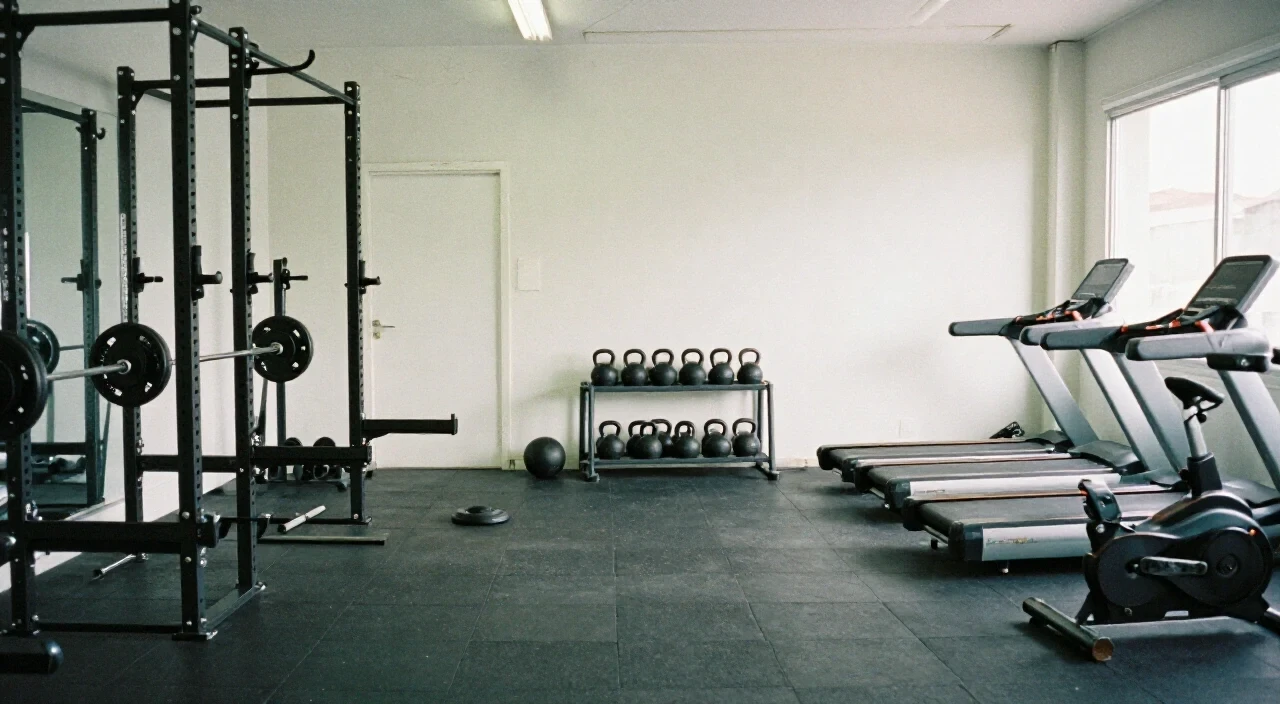
Conditioning work can sit alongside strength training by scheduling low-fatigue cardio after priority lifts, limiting high-intensity intervals to non-key days, and meeting the UK guideline of 150 minutes moderate or 75 minutes vigorous activity weekly while still protecting recovery.
Table of Contents
Key takeaways
- Schedule conditioning after priority lifts
- Limit high-intensity cardio to non-key days
- Aim for 150 min moderate or 75 min vigorous weekly
- Adjust volume based on recovery and training status
Can I do conditioning and strength training on the same day?
Yes, both can be performed in one day, provided the conditioning portion is scheduled to avoid excessive fatigue before the main lifts. Keep the cardio low-intensity or place it after the priority strength work, or limit it to a short finisher of 10-15 minutes.
When the goal is maximal strength, the nervous system benefits from fresh muscles and high-quality lift execution. A practical approach is to treat the strength segment as the priority component of the session. Perform squats, deadlifts, bench press, or Olympic lifts first, then follow with conditioning that does not heavily tax the same muscle groups. Low-intensity steady-state (LISS) activities such as a 20-minute brisk walk, easy bike ride, or rowing at <65% max heart rate are ideal because they promote blood flow without depleting phosphocreatine stores needed for heavy lifts.
If a more demanding interval session is required, schedule it on a separate day or at least 4-6 hours after the strength work, allowing glycogen repletion and partial neural recovery. In Manchester, the cooler evenings can be used for a short HIIT circuit after a morning strength class at Halter Strength Club, ensuring the gym’s climate-controlled environment supports both components.
Common mistakes include doing a long, high-intensity run before squats, which can reduce bar speed and increase injury risk, or counting a circuit class as both cardio and strength without checking intensity. Monitoring perceived exertion (aim for a 3-4 out of 10 on conditioning days) helps keep fatigue manageable.
Should conditioning work come before or after lifting?
When strength is the primary objective, place conditioning after lifting. Doing cardio first can impair power output, neuromuscular firing patterns, and muscle glycogen levels, reducing the quality of the strength stimulus.
The science behind the “interference effect” shows that high-intensity aerobic work performed before resistance training elevates cortisol and reduces testosterone spikes that are crucial for muscle growth. By completing the strength portion first, the body can capitalize on optimal hormonal conditions and neural activation.
A typical sequence for a mixed session at Halter Strength Club might be:
- Warm-up: 5-10 minutes of mobility and light activation (e.g., band work, dynamic stretches).
- Strength block: 45-60 minutes of compound lifts at 70-85% of 1RM.
- Conditioning block: 15-20 minutes of low-to-moderate intensity cardio or a sport-specific circuit, keeping heart rate below 70% of max.
If the conditioning goal is to improve aerobic capacity for a marathon or a sport, schedule those longer, vigorous sessions on separate days or at least 24 hours apart from heavy strength days. This separation respects recovery windows and aligns with NHS guidance that strength and aerobic work may be performed on the same or different days without a mandated split.
Mistakes to avoid: using a high-intensity interval training (HIIT) session as a warm-up, or treating a 30-minute bike class as a light finisher when it actually pushes heart rate above 80% of max. Always check heart rate or perceived exertion to stay within the intended intensity band.
How many conditioning sessions should I fit into my weekly routine?
Aim for 2-3 conditioning sessions per week, each lasting 20-30 minutes, while maintaining at least two dedicated strength-training days for each major muscle group. This schedule satisfies the UK recommendation without overwhelming recovery.
The NHS advises 150 minutes of moderate-intensity activity or 75 minutes of vigorous activity weekly. For a lifter whose primary focus is strength, splitting this into three 30-minute moderate sessions (e.g., brisk walking, easy cycling) works well and leaves ample time for heavy lifts.
Beginners can start with one short conditioning session on a non-lifting day and gradually add a second after two to three weeks, monitoring sleep quality, appetite, and soreness. More experienced athletes may incorporate a higher-intensity interval day, but only if total training load remains manageable.
A sample weekly layout for a Manchester trainee could be:
- Monday: Upper-body strength (priority) + 15-minute low-intensity bike.
- Tuesday: Rest or active recovery (light jog, mobility).
- Wednesday: Lower-body strength (priority) + 20-minute rowing at moderate pace.
- Thursday: Full-body conditioning – 30-minute HIIT (if energy permits) or a sport-specific circuit.
- Friday: Rest or yoga.
- Saturday: Strength focus (e.g., power clean, squat) with no conditioning.
- Sunday: Easy walk or swim for 30 minutes.
Key to success is listening to the body: if muscle soreness persists beyond 48 hours, reduce conditioning volume or lower intensity. Nutrition and sleep must also be adjusted to cover the extra caloric demand of added cardio.
Common errors include adding a fourth or fifth cardio session without increasing recovery resources, leading to chronic fatigue and stalled strength gains.
What type of conditioning work is best for strength athletes?
Low-to-moderate intensity steady-state cardio and short, sport-specific circuits provide the best balance for strength athletes. They improve work capacity and cardiovascular health without triggering the interference effect that high-volume, high-intensity endurance training can cause.
Steady-state modalities—such as a 20-minute jog at a conversational pace, a moderate bike ride, or rowing at 60-65% of maximal heart rate—enhance capillary density and mitochondrial efficiency while preserving glycogen stores for heavy lifts. Because the stimulus is sub-maximal, hormonal disruptions are minimal, allowing strength adaptations to continue unhindered.
When time is limited, a conditioning finisher that targets the same movement patterns used in strength work can be valuable. For example, a 3-round circuit of kettlebell swings, goblet squats, and farmer’s walks performed for 30 seconds each, with 45-second rest, maintains metabolic stress without excessive cardiovascular load.
High-intensity interval training (HIIT) can still be useful for athletes needing rapid aerobic improvements, but it should be limited to one session per week and placed far from key lifting days (e.g., on an off-day or after a light technique session). Keep intervals short (15-30 seconds) and keep the total session under 15 minutes to avoid excess fatigue.
In Manchester’s often unpredictable weather, indoor options like the rowing machines, assault bikes, or the club’s conditioning space at Halter Strength Club ensure consistency. Pairing these tools with a heart-rate monitor helps keep intensity within the desired zone.
Mistakes to watch for: assuming a 30-minute spin class automatically meets the aerobic guideline—if the class is high-intensity, it may interfere with strength recovery. Also, neglecting to vary stimulus can lead to plateaus; rotate between steady-state, low-intensity circuits, and occasional brief HIIT blocks.
Tip: Keep conditioning intensity below 70% of your maximum heart rate on days you perform heavy lifts. This level supports recovery, maintains aerobic benefits, and minimizes the risk of the interference effect.
Frequently asked questions
Will cardio reduce my strength or muscle gains?
When cardio is low-to-moderate intensity and placed after priority lifts, it does not significantly hinder strength development. Problems arise mainly from high-volume, high-intensity endurance work performed before or too close to heavy sessions.
How hard should conditioning work feel?
Aim for a perceived exertion of 3-4 out of 10 on a typical conditioning day, or keep heart rate in the 60-70% of max range. This provides cardiovascular benefit while preserving enough energy for subsequent strength work.
How long should I rest between strength and conditioning sessions?
A minimum of 4-6 hours is recommended if both occur on the same day, allowing glycogen replenishment and neural recovery. If possible, schedule conditioning on a separate day or after a light technique session.